
UNLOCK THE SECRETS OF BALANCED
EATING FOR A HEALTHIER YOU
WITH SILVERTRAIL

The Benefits of Balanced Eating with Silvertrail
ENHANCED BRAIN FUNCTION
A balanced diet fuels your brain, improving cognitive functions like memory and concentration. Nutrients from healthy foods support neuronal communication, leading to sharper thinking and better decision-making.
IMPROVED MOOD AND REDUCED STRESS
Healthy foods rich in vitamins and minerals can elevate your mood and reduce stress levels. Balanced eating supports the production of neurotransmitters, which play a crucial role in emotional well-being.
SUSTAINED ENERGY LEVELS
Combining proteins, fats, and carbohydrates ensures a steady release of energy throughout the day. This prevents energy crashes and promotes consistent performance, keeping you active and alert.
BETTER PHYSICAL HEALTH
A balanced diet strengthens your immune system and reduces the risk of chronic diseases. It provides essential nutrients that support overall physical health, leading to a longer and healthier life.
Why Balanced Eating Matters
Discover how a balanced diet nourishes both your body and mind with Silvertrail. Learn about the essential components of a healthy eating plan and their profound impact on your well-being. Below are key reasons to adopt a balanced approach to food.
Boosts Brainpower
A balanced intake of proteins, fats, and carbohydrates enhances cognitive function and memory. Nourishing your brain with the right nutrients keeps you sharp and focused throughout the day.
Enhances Mood
Eating a variety of fruits, vegetables, and lean proteins supports emotional balance. Proper nutrition promotes the production of mood-regulating neurotransmitters, leading to a happier, more stable emotional state.
Fights Stress
A well-rounded diet rich in vitamins and minerals helps your body cope with stress. Specific nutrients support adrenal function, reducing the negative impacts of stress on your overall health.
Maintains Water Balance
Staying hydrated is crucial for optimal bodily function. Drinking enough water supports digestion, circulation, and nutrient absorption, contributing to overall vitality.
Daily Balanced Eating Guide by Silvertrail
Breakfast
Start with Protein and Fiber
Your Kitchen
Lunch
Balanced Plate Essentials
Your Workplace/Home
Dinner
Lean Protein & Veggies
Your Dining Room
Snack
Hydration & Healthy Bites
Anywhere
All Day
Mindful Eating Practices
Everywhere
Nourish Your Body and Mind
Discover how balanced eating supports overall health and well-being with Silvertrail. Explore practical tips and insights to create a healthier lifestyle through conscious food choices.

Balanced Plate
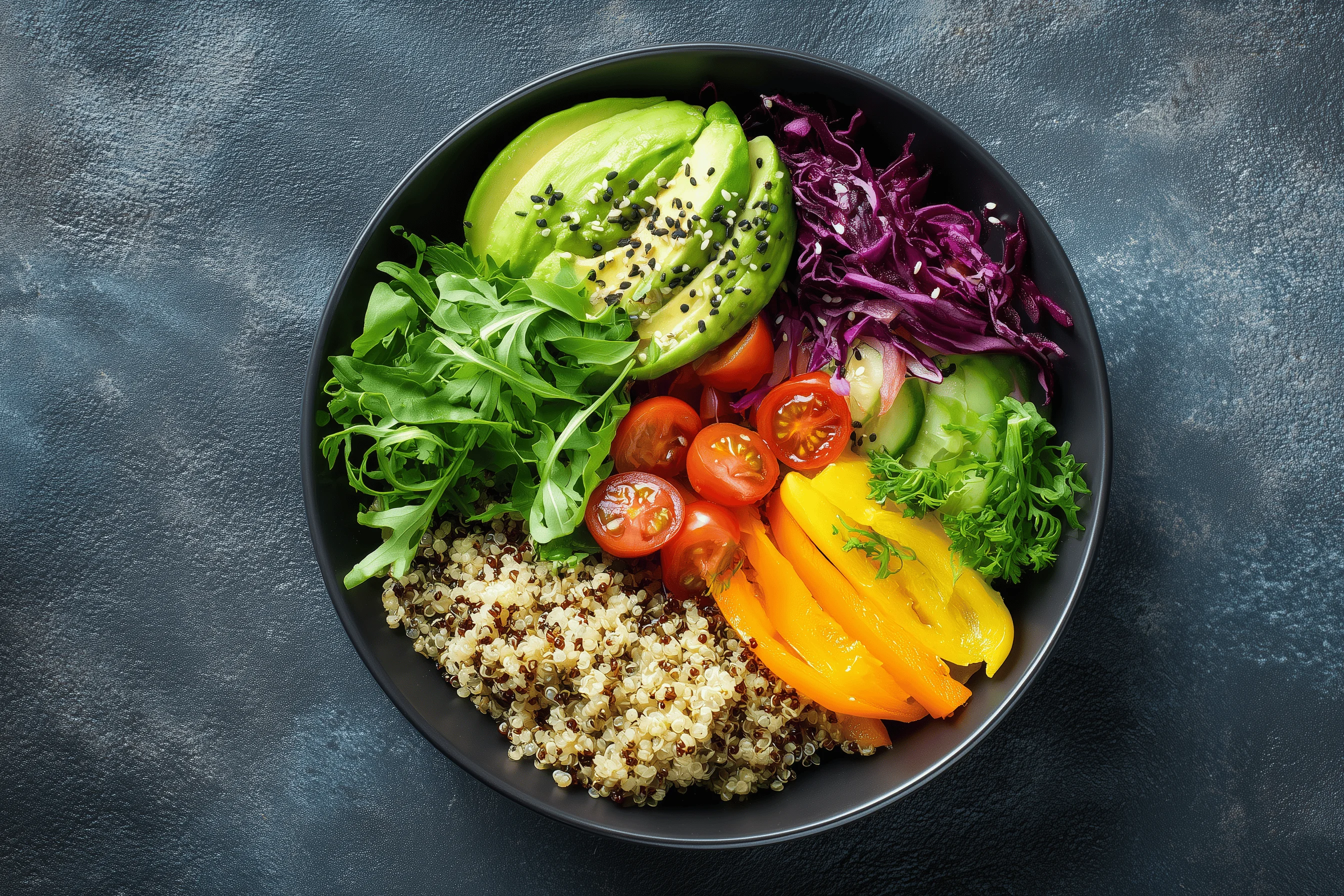
Creating a balanced plate involves combining proteins, carbohydrates, and healthy fats. Aim for a colorful variety of vegetables to maximize nutrient intake and support optimal health.

Hydration Habits
Maintaining water balance is essential for bodily functions. Drink water throughout the day and incorporate hydrating foods like fruits and vegetables to stay refreshed and energized.
Essential Elements for a Healthy Life
Why Choose Balanced Eating?
Balanced eating is suitable for everyone, from beginners to health experts. It combines nutrition, enjoyment, and well-being.


Diverse Nutrients
Get a wide range of essential vitamins and minerals from various food groups, supporting overall health and vitality.

Sustained Energy
Maintain stable energy levels throughout the day by combining proteins, fats, and carbohydrates in your meals and snacks.

Improved Mood
Support your emotional well-being with a diet rich in nutrients that promote the production of mood-regulating neurotransmitters.
Essentials for a Healthier You
Balanced Eating

Nutrient Variety
A balanced diet includes a wide range of nutrients. Prioritize fruits, vegetables, proteins, and healthy fats to nourish your body effectively.

Mindful Choices
Practice mindful eating to develop a healthier relationship with food. Pay attention to your body's signals and enjoy each meal without distractions.
ACHIEVE OPTIMAL HEALTH WITH
BALANCED NUTRITION

Proteins
Proteins are crucial for muscle repair and growth, hormone production, and immune function. Include lean meats, poultry, fish, beans, and nuts in your diet.

Fats
Healthy fats are vital for brain health, hormone regulation, and nutrient absorption. Choose sources like avocados, nuts, seeds, and olive oil to support overall well-being.

Carbohydrates
Complex carbohydrates provide energy and fiber, supporting digestion and regulating blood sugar levels. Opt for whole grains, fruits, and vegetables for sustained energy.

Hydration
Water is essential for all bodily functions, including nutrient transport, waste removal, and temperature regulation. Drink plenty of water throughout the day to stay hydrated.

Essential Strategies for Balanced Eating
Achieving a balanced diet involves understanding the key components and how they contribute to your overall health. Here are some strategies to guide you:
Prioritize Whole Foods: Focus on incorporating whole, unprocessed foods into your meals. These include fruits, vegetables, lean proteins, and whole grains, providing essential nutrients.
Listen to Your Body: Pay attention to your body's hunger and fullness cues. Eating mindfully helps you avoid overeating and supports a healthier relationship with food. Embrace a conscious attitude towards what and how much you eat.
Stay Hydrated: Drink plenty of water throughout the day to support digestion, circulation, and nutrient absorption. Water is vital for maintaining optimal bodily functions.
Plan Your Meals: Plan your meals ahead of time to ensure a balanced intake of nutrients. This helps you avoid impulsive, unhealthy choices and supports consistent healthy eating habits.
Frequently Asked Questions
We have compiled common questions about balanced eating to support your journey to a healthier lifestyle.
A balanced diet includes proteins, fats, carbohydrates, fiber, vitamins, and minerals.
It supports neurotransmitter production, which regulates emotional well-being and reduces stress.
Water is vital for digestion, circulation, and nutrient absorption, maintaining overall bodily functions.
Include lean protein, complex carbs, healthy fats, and a variety of colorful vegetables.
Options include oatmeal with berries, Greek yogurt with nuts, or whole-grain toast with avocado.
Nutrients from balanced foods enhance cognitive function, memory, and concentration, leading to sharper thinking.